
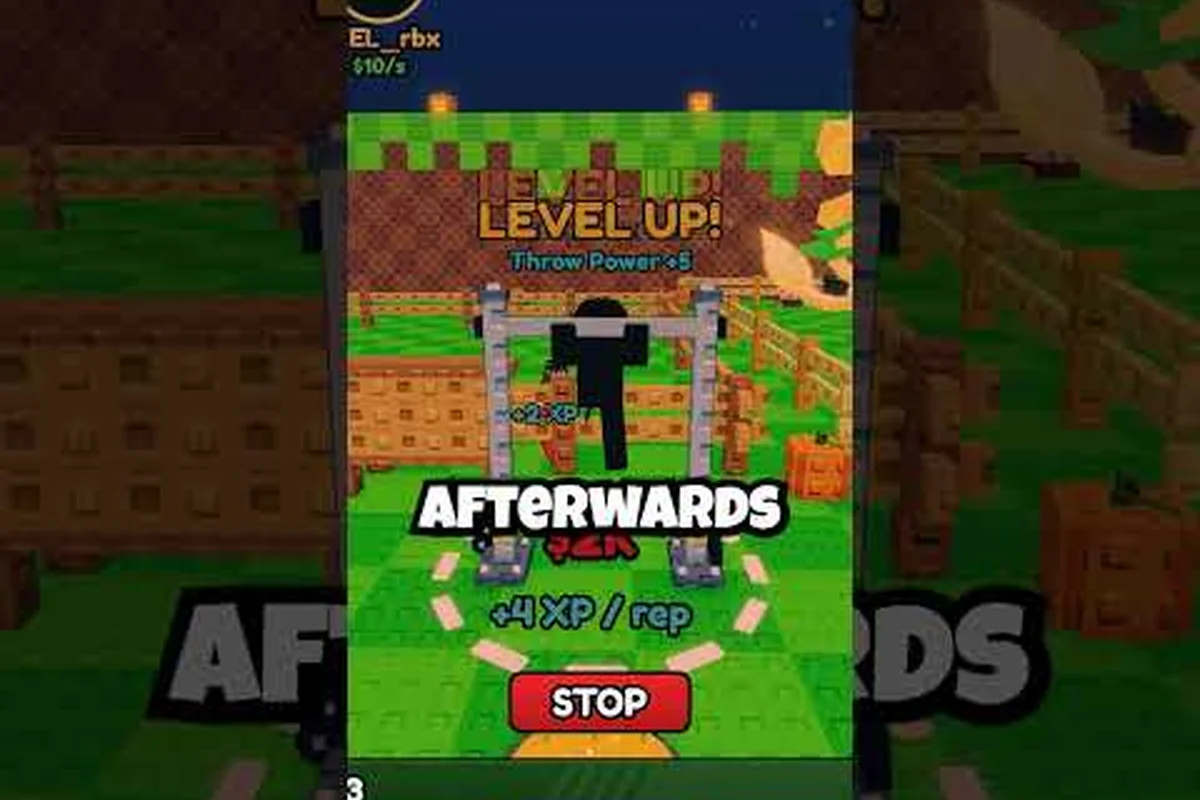
Throw Food For Animals early game progress depends on using the right foods, completing daily tasks, and reinvesting income instead of spending every reward immediately. A deliberate opening plan helps you reach the throw food for animals mid game with fewer wasted resources and a stronger animal roster.
Early Game Priorities
The first goal in Throw Food For Animals is not maximum damage on every throw. It is building a dependable income loop while improving the animals that you use most often. Food value, throw distance, and daily task rewards work together, so a balanced setup usually produces faster progress than one expensive upgrade pursued in isolation.
Early Throw Value should be your first concern because it determines how much progress each session produces. Daily Task Completion adds a predictable layer of rewards, while Upgrade Reinvestment keeps your strongest performers improving. These three priorities create a clear order of operations.
| Priority | Why it matters | Best early action |
|---|---|---|
| Throw value | Increases progress from every successful throw | Compare foods by practical value |
| Animal roster | Gives you more options for different objectives | Keep one dependable starter animal active |
| Daily tasks | Adds regular rewards without changing your routine | Finish repeatable tasks before optional grinding |
| Upgrade income | Prevents late-game shortages | Save part of each reward for upgrades |
| Weak points | Stops wasted resources | Upgrade only after confirming a need |
Set a Simple Opening Routine
A consistent routine is more useful than a complicated checklist. Begin by checking the available daily objectives, then use a reliable food with good value for basic throws. After completing the task set, spend only on an upgrade that removes an obvious bottleneck. Finally, reserve the remaining income for the next session.
This routine makes the early game easier to read. You always know which stage of the loop you are in, and you avoid spending rewards before you know whether they are needed. It also helps you compare progress across sessions rather than relying on one unusually lucky throw.
| Session Stage | Main Action | Resource Goal |
|---|---|---|
| First minutes | Review daily tasks and active bonuses | Identify the fastest repeatable objective |
| Main activity | Throw reliable food at useful targets | Preserve a positive net reward |
| Middle | Complete any remaining task chain | Claim every earned upgrade |
| Final minutes | Make one targeted purchase | Keep a reserve for future needs |
| End of day | Review the next day's options | Plan upgrades without spending blindly |
Avoid Early Upgrade Traps
The most expensive item is not automatically the strongest upgrade. Early on, favor improvements that increase consistent net income, basic throw performance, or daily task completion. Do not spend heavily on a narrow specialty unless you already know that you will use it repeatedly.
Players commonly report that food choice matters more than an expensive early purchase. The food reference in Throw Food For Animals: choosing useful food options can help you compare value without treating every unlocked item as equally efficient. Keep the main throw simple, then use special food when a task or target gives it a clear advantage.
Better Upgrades for Throw Food For Animals Early Game
Your upgrade decisions should follow the progression loop rather than a static tier list. A useful upgrade increases the amount of progress you can convert into money or unlock value. If it does not improve that conversion, it may be worth revisiting later.
Think in terms of Net Throw Return, Upgrade Cost, and Time to Payback. When those values are not visible in the interface, estimate them from what you can observe: reward gained, resources spent, and time required. The economy guide for Throw Food For Animals provides a useful framework for making those comparisons.
| Upgrade area | Early-game value | Reason to prioritize | Reason to delay |
|---|---|---|---|
| Core throw power | High | Improves every successful attempt | When the current level is already effective |
| Food efficiency | High | Raises income from the same action | If it applies only to unused foods |
| Daily task completion | High | Creates repeatable reward income | After all tasks are automated or completed |
| Specialty upgrades | Medium | Helps a specific target or food | Before the specialty has regular use |
| Cosmetic unlocks | Low | Improves appearance only | Whenever funds are limited |
| Expensive tier upgrades | Variable | Can unlock stronger possibilities | Without a measurable payoff |
Spend on Repeatable Value
A good early upgrade should appear in your normal routine. If an improvement works whenever you use a common food or finish a standard task, its benefits compound. By comparison, a luxury upgrade may look impressive in the menu but produce little practical return until you reach content that requires it.
Use a two-stage purchase rule. First, buy the inexpensive version if it improves an action you perform several times per session. Upgrade again only after the first level produces a noticeable change. This prevents you from overspending while the early economy is still forming.
Milestone Spending Rule: Keep enough money for the next planned upgrade before making an optional purchase. For example, if you are saving for the next food-efficiency upgrade, a low-cost cosmetic or extra treat should wait until the reserve is intact; otherwise, the optional buy can delay the repeatable-value upgrade. In early-game progression, protecting this buffer keeps your usual feeding routine stronger and prevents a single reward purchase from interrupting the upgrade path.
Upgrade One Complete Activity First
Instead of spreading early funds across many partially improved systems, concentrate on one activity that produces reliable results. Complete several runs of that activity, observe the difference, and then decide whether another upgrade is needed. This produces a cleaner test than changing several variables between attempts.
For example, if daily tasks account for a meaningful share of your income, improve your standard task route before chasing a premium food. If manual throwing provides most of the reward, improve that loop instead. The same approach carries into the throw food for animals late game, where dependable routines remain valuable even after stronger animals become available.
Daily Tasks for Reliable Income
Daily tasks are most effective when treated as a schedule rather than a random checklist. They offer a predictable source of progress and can cover activities you would already perform, which makes them efficient during the throw food for animals early game.
Start with the tasks that overlap your normal routine. Complete them first, then use any remaining session time for general progression. Keep a short record of task order, time required, and rewards so that you can improve the routine without repeatedly rediscovering it.
| Task type | Priority | Best execution method |
|---|---|---|
| Basic throw task | Very high | Use a fast, reliable food and repeat efficiently |
| Currency task | Very high | Finish during ordinary progression |
| Unlock task | High | Prioritize when the reward advances the current goal |
| Animal task | High | Use an animal already in your active roster |
| Specialty task | Medium | Run after standard daily tasks are secured |
| Long chained task | Conditional | Complete when several objectives line up |
Build a Task-First Session
Open the daily task list before beginning a session and divide it into required and optional objectives. Complete the required set in one uninterrupted block. This reduces context switching and lets you preserve momentum while the relevant boosts, bonuses, or rewards are active.
Then claim rewards immediately. Unclaimed objectives can make a session look less productive, especially when several short tasks are finished at once. The goal is not merely completing tasks but converting every completed task into usable progression before moving on.
Use Daily Rewards Without Overextending
Daily tasks should support the main progression loop, not replace it. If the schedule requires long travel, repeated setup, or food you rarely use, place the task later in the session. Save the fastest objectives for the start, when your attention and resources are fresh.
The best task route changes as your roster improves. Early on, favor simple objectives with inexpensive requirements. Later, when stronger animals and more valuable foods become available, update the route rather than repeating outdated routines. That transition is one reason to keep an eye on the throw food for animals mid game priorities as well.
Animals, Food Choices, and Progression
Your animal roster determines which tasks are fast and which upgrades feel worthwhile. A dependable starter handles standard throws, while a task specialist can cover unusual daily objectives without wasting time on lower-value targets. For example, keeping a general-purpose animal ready is useful for routine income, but adding a food specialist can make common food combinations more efficient when that resource is needed frequently. A small roster can still work well in the early game if each animal has a clear role; upgrade the reliable starter first when basic income stalls, then strengthen specialists before their relevant tasks begin.
Keep your Primary Throw Animal ready, then rotate supporting animals when the task conditions change. This is more effective than switching constantly. Predictable performance makes it easier to estimate income and identify whether a failed session came from the animal, the food, or the target choice.
| Animal role | Early priority | Best use | Upgrade timing |
|---|---|---|---|
| Reliable starter | Essential | General throwing and routine tasks | When basic income stalls |
| Task specialist | High | Matching daily objectives | Before the relevant task type |
| Food specialist | High | Valuable food combinations | When that food is used often |
| High-value thrower | Medium | General earning after basics are secure | When its benefit exceeds the starter |
| Rare unlock | Low at first | Collecting and future preparation | After the early economy stabilizes |
Keep One Reliable Food Ready
Food selection should reflect value per action, not simply a high menu price. A cheap food that produces steady progress can outperform an expensive one if the costly option requires extra throws, precise positioning, or a less reliable target. Use the standard food for routine tasks and reserve premium options for clear situations.
Food Rotation: maintain one dependable food and one task-specific food. This minimizes decision time while still allowing you to respond to daily objectives and unlock requirements. For example, keep a low-cost, high-yield food equipped for routine throws, then switch to the premium food when a daily task explicitly requests a particular item or you need a temporary boost. Because early-game throws consume inventory and can delay movement, minimizing menu checks keeps animal encounters moving and prevents an easy objective from being abandoned simply because the required food was not prepared in advance.
Match Animals to Objectives
Before throwing, identify the objective for the current activity. Then choose the animal that can complete it with the fewest attempts. If a task rewards progress rather than a specific animal, use whichever option creates the most reliable gain. This prevents unnecessary upgrades simply because an animal looks stronger but does not serve the task at hand.
Prepare for the Next Progression Stage
The early game is also the stage where you build the habits needed for later content. Track which food gives the best net return, which animal handles the most tasks, and where your money is going. This information makes the transition into the throw food for animals late game less expensive because you already know which parts of the loop need improvement.
| Observation to record | Why it matters | Next decision |
|---|---|---|
| Best routine food | Identifies the standard earner | Upgrade it before premium food |
| Fastest daily task | Finds reliable bonus income | Repeat it early in each session |
| Most-used animal | Shows the main progression driver | Prioritize its upgrades |
| Most common obstacle | Reveals the real bottleneck | Fix one obstacle at a time |
| Average reward rate | Measures overall efficiency | Compare after each major upgrade |
Efficient Sessions and Mid-Game Preparation
Efficient early sessions combine repeatable tasks with deliberate spending. Start each session by reviewing objectives, choose a reliable activity, and set a clear stopping point for spending. A fixed order prevents fatigue from turning a strong routine into random upgrades or low-value throws.
Use short review checkpoints rather than constant micromanagement. After the first task block, check your balance and progress. After the second, decide whether an upgrade is necessary. In the final block, finish lower-cost objectives and preserve a reserve. This approach supports the throw food for animals mid game without requiring a completely different routine.
Diagnose Progress by Stage
A stalled early game usually comes from one of four areas: weak food value, an unsuitable animal, neglected daily tasks, or excessive spending. Identify the stage where progress stops before changing anything. For example, if throws earn enough but tasks remain unfinished, the issue is task routing rather than throw power.
| Symptom | Likely cause | Corrective action |
|---|---|---|
| Many throws, little progress | Low net throw value | Test a more efficient food |
| Progress stops after a few throws | Animal or setup issue | Rotate to the reliable starter |
| Regular income is inconsistent | Daily tasks missed | Move repeatable tasks to session start |
| Money never accumulates | Overspending | Hold a larger upgrade reserve |
| Progress is steady but slow | Too many side objectives | Prioritize the strongest task route |
Avoid Spreading Resources Too Thin
Early progression improves when one animal, one food, and one task route carry most of your activity. You can experiment during spare time, but do not split money across several unfinished plans. Finish the current improvement, verify its impact, and then decide on the next one.
This principle also matters when comparing community strategies. Player experiences can reveal useful priorities, but rewards and availability may change between versions. Check current community reports and update notes before treating a reported route as permanent, especially when preparing for the throw food for animals endgame guide stages.
Weekly Review Checklist
Use a weekly review to decide whether your routine still works. Compare task completion, net income, and the usefulness of your active animal. Do not change everything after one poor session; look for a pattern across several sessions before spending on a correction.
- Complete all fast daily tasks.
- Test one food without changing animals.
- Review the last three sessions for repeated obstacles.
- Upgrade only the system causing the clearest slowdown.
- Record the next week’s main progression target.
Frequently Asked Questions
What should I prioritize in the Throw Food For Animals early game?
Prioritize dependable throw value, a reliable animal, and repeatable daily tasks before making large optional purchases. Spend only when an upgrade improves an action you already perform often. Keeping a small reserve also prevents a single reward from interrupting your next planned improvement.
How do daily tasks fit into an early progression routine?
Complete the fastest daily tasks at the beginning of a session, because they often reward activities you already planned to do. Claim each reward immediately and then return to general progression. Revisit the route as your animals and foods improve, since some early tasks may become less efficient over time.
Should I buy the strongest upgrade available early?
Not necessarily. The strongest menu item may have little practical value before you reach content that supports it. Compare cost with expected use, prioritize repeatable income, and upgrade the animal or food you rely on most. Revisit expensive choices after your routine becomes stable and your remaining funds are predictable.
When should I shift from early progression toward mid-game goals?
Shift when your daily tasks finish quickly, your basic food produces stable returns, and one animal handles most routine objectives. Use the surplus from that routine for progression-oriented upgrades rather than broad cosmetic spending. This creates a stronger base before you begin adapting to tougher targets and more demanding rewards.